
Plastics have defined the toy industry for generations. From action figures and dolls to building blocks and playsets, their versatility, durability, and affordability make them the material of choice for major brands like LEGO, Mattel, Hasbro, and Fisher-Price. But what makes plastic so pervasive in toy manufacturing? And as environmental and safety concerns grow, how is the industry responding?
This guide explores the types of plastics used in toys, their benefits and challenges, and the shift toward safer, more sustainable practices.
What Is Plastic?
Plastic is a synthetic material made from polymers—long chains of molecules derived primarily from petroleum or natural gas. Its ability to be molded into virtually any shape has made it ideal for mass-produced, detailed, and affordable toys. The rise of injection molding in the mid-20th century accelerated this shift, replacing traditional materials like wood and metal. Today, while plastic toys remain dominant, the conversation has expanded to include safety, recyclability, and environmental impact.
Why Is Plastic So Widely Used in Toys?
-
Durability – Withstands rough play better than many natural materials.
-
Affordability – Enables low-cost, high-volume production.
-
Versatility – Can be molded into intricate shapes and bright colors.
-
Safety – Lightweight, shatter-resistant, and often easy to clean.
-
Consistency – Allows precise, repeatable manufacturing for complex toys.
Common Plastics in Toy Manufacturing
Different plastics are chosen based on the toy’s function, safety requirements, and cost.
| Plastic Type | Key Properties | Common Uses | Safety Notes |
|---|---|---|---|
| ABS | Tough, impact-resistant, glossy finish | Building blocks (e.g., LEGO), action figures | Generally non-toxic; meets strict safety standards. |
| PVC / Vinyl | Flexible, soft, detailed finish | Dolls, bath toys, collectible figures | Use phthalate-free formulas for safety. |
| PP | Lightweight, chemical-resistant | Toy vehicles, containers, playsets | Safe and recyclable. |
| PE (HDPE/LDPE) | Flexible, durable | Squeeze toys, packaging, plush stuffing | Widely recycled. |
| PET | Transparent, strong | Toy packaging, role-play bottles | Recyclable and food-safe. |
| TPR | Soft, rubber-like | Teethers, stretchy figures | Hypoallergenic and non-toxic. |
| EVA | Soft, foam-like | Play mats, puzzle pieces | Lightweight and safe for young children. |
| Bioplastics (PLA, PHA) | Biodegradable, plant-based | Eco-friendly toys and packaging | Sustainable but less durable than conventional plastics. |
| Resin | High-detail, rigid | Collectible figurines, models | Used for small-batch, premium items. |
I hope this revised chart is clear and effective for your readers. Please contact us if you would like any further adjustments.
Choosing the Right Plastic for Toys
Selecting a plastic involves balancing safety, durability, aesthetics, cost, and environmental impact.
-
Safety First
Materials must be non-toxic and free from harmful chemicals like phthalates, BPA, or lead. Compliance with international standards (ASTM, EN71) is essential. -
Durability & Function
Hard plastics like ABS suit high-stress toys, while softer materials like TPR or EVA work well for teethers and soft play. -
Environmental Considerations
Recyclable plastics (PET, PE) and bio-based alternatives (PLA) reduce ecological footprints, though challenges in recycling mixed-material toys remain. -
Aesthetics & Cost
Plastics like ABS and vinyl allow vibrant colors and fine details. Cost-effective options like PVC and PE help keep toys affordable.
Environmental Impact & Sustainability
While practical, plastic toys pose environmental challenges:
-
Long Decomposition – Most plastics persist in landfills for centuries.
-
Microplastic Pollution – Degrading toys can contaminate soil and water.
-
Carbon-Intensive Production – Relies on fossil fuels and generates emissions.
-
Recycling Difficulties – Mixed materials, adhesives, and electronics complicate recycling.
The industry is responding with:
✅ Phthalate-free and non-toxic formulations
✅ Increased use of recycled and bioplastics
✅ Design-for-recycling initiatives
✅ Take-back and refurbishment programs
How Are Plastic Toys Made?
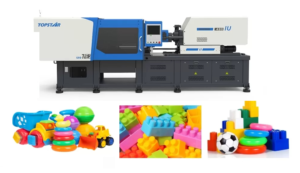
The most common method is injection molding:
-
Design and create a mold.
-
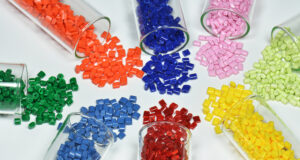
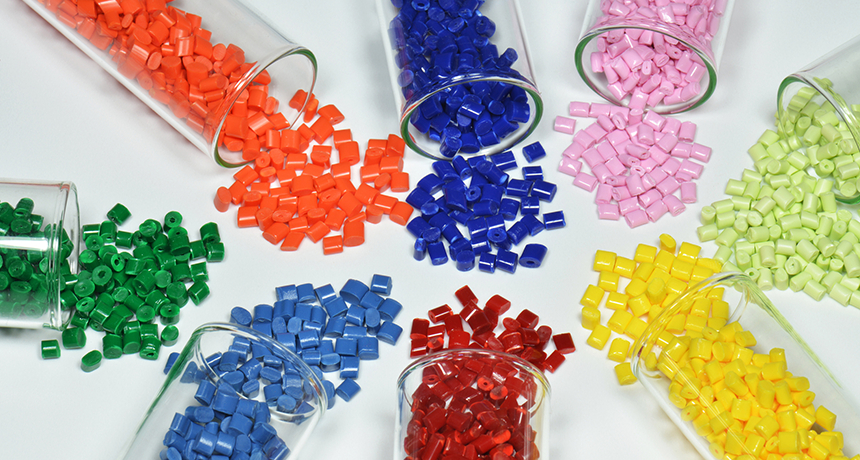
Heat plastic pellets until molten.
-
Inject into the mold under pressure.
-
Cool, eject, and finish (paint/assemble).
Other techniques include blow molding (for hollow items) and rotational molding (for larger toys).
FAQs: Plastic Materials in Toy Manufacturing
Q1: What safety certifications should I look for when sourcing plastic toys?
A: For global markets, your manufacturer must comply with major international standards. The key ones are:
-
EN71 (Europe): The comprehensive safety standard for toys in the EU.
-
ASTM F963 (USA): The Standard Consumer Safety Specification for Toy Safety.
-
CPSIA (USA): Regulates lead, phthalates, and requires mandatory testing and a Children’s Product Certificate (CPC).
A reputable manufacturer like Xinyu Toys will provide test reports from accredited third-party labs (e.g., SGS, Intertek) to prove compliance with these standards for all materials used.
Q2: What is the difference between ABS and PP plastic for toys, and how do I choose?
A: This is a common sourcing decision.
-
ABS (Acrylonitrile Butadiene Styrene): Superior for durability and detail. It’s hard, impact-resistant, and has an excellent glossy finish. Use it for interlocking building blocks (like LEGO®), detailed action figures, and high-stress structural parts. It is generally more expensive than PP.
-
PP (Polypropylene): Superior for flexibility and chemical resistance. It is lightweight, has a living hinge property, and is resistant to oils and moisture. Use it for toy containers, lids, simpler vehicle bodies, and parts that need to flex. It is often more cost-effective.
Our advice: Choose ABS for premium, detailed, and durable toys. Choose PP for functional, flexible, or budget-conscious parts. Contact our engineering team to review your design.
Q3: Can we use recycled plastic (rPET, rPP) in toy manufacturing?
A: Yes, but with critical considerations. Using post-consumer recycled (PCR) plastic is a growing trend for sustainable toy lines. However:
-
Safety & Consistency: The recycled stream must be rigorously controlled and tested to ensure it is free of contaminants and meets toy safety standards for heavy metals and harmful substances. The color and properties can vary between batches.
-
Applications: It is often best suited for internal structural parts or toys where color consistency is less critical, or blended with virgin material.
We at Xinyu Toys can guide you on the feasibility, testing requirements, and suitable applications for recycled content in your specific product.
Q4: Are bioplastics (like PLA) a practical alternative for mass-produced toys?
A: Currently, they are a niche supplement, not a full replacement, for conventional plastics.
-
Pros: Made from renewable resources (e.g., corn starch), they are biodegradable under specific industrial composting conditions and appeal to eco-conscious brands.
-
Cons: They are generally less durable and heat-resistant than ABS or PP, which can affect toy longevity. They are also more expensive and require separate composting facilities to break down, limiting their end-of-life benefit in most consumer settings.
We recommend them for short-lifecycle toys, promotional items, or packaging where their environmental story aligns with the product. Discuss your goals with us to evaluate if they fit your project.
Q5: What is the typical process and lead time for a new plastic toy project?
A: The timeline varies by complexity but follows these key stages:
-
Design & Feasibility Review (1-2 weeks): We analyze your design for manufacturability (DFM) and recommend the best materials and processes.
-
Prototyping & Safety Testing (3-5 weeks): We create functional prototypes (often via 3D printing or a prototype mold) for approval. Concurrent material safety testing begins.
-
Tooling/Mold Manufacturing (6-10 weeks): This is the longest phase. High-precision steel molds are crafted for injection molding.
-
Mass Production & QC (Depends on order volume): After a T1 sample from the production mold is approved, bulk production begins with strict in-line and final random inspection (based on AQL standards).
A realistic timeline from final design to first shipment is typically 4-6 months. Request a detailed project timeline for your specific product.
Q6: What is your Minimum Order Quantity (MOQ) for custom plastic toys?
A: MOQs are primarily determined by mold cost and complexity. For a custom injection-molded toy, the MOQ is set to amortize the significant upfront tooling investment. A typical MOQ can range from 5,000 to 50,000 pieces per model/color, but we can often work with lower volumes for simpler designs or by using shared “family molds.” The best way to get an accurate MOQ and quote is to share your product concept or design files with our team for a feasibility assessment.
Looking Ahead: Safety & Sustainability
The future of toys lies in balancing innovation with responsibility. While traditional plastics like ABS, PVC, and PE remain staples, the shift toward safer materials, circular design, and eco-friendly alternatives is accelerating.
At Xinyu Toys Factory, we prioritize materials that meet international safety standards and support sustainable practices—from phthalate-free PVC to exploring bio-based options. For brands, partnering with manufacturers committed to safety and sustainability is key to creating toys that delight children while protecting their future.
Need a manufacturing partner for safe, sustainable toys? Contact Xinyu for a Quote.